

Flush door design gets far less attention indoors than it does at the entrance, and that gap is exactly where the opportunity sits. A bedroom, bathroom, or wardrobe-integrated door is a design decision as much as a functional one. The right core, finish, and hardware pairing changes how an entire room reads, and getting it wrong is a surprisingly common oversight in otherwise well-planned interiors.
Three things determine how well an interior flush door performs and looks: the core material, the surface finish, and the hardware it’s paired with. The core determines strength, sound insulation, and moisture tolerance. The finish determines how the door reads visually against the rest of the room. Hardware, hinges, handles, and any integrated features, determines how it actually functions day to day. Treating all three as one decision, rather than an afterthought after the wall color is chosen, is what separates a door that disappears into good design from one that looks like it was added last.
For bedrooms, a solid-core flush door in a warm laminate or veneer finish balances sound insulation with a clean, uncluttered look. Lighter finishes suit smaller rooms by keeping the space feeling open, while deeper tones work well where the door is meant to function as a visual anchor rather than something meant to disappear into the wall. Matte finishes have become the more popular choice in recent interior design, offering a softer, less reflective surface than high-gloss laminates, particularly in rooms where the door sits opposite a window.
Sound insulation matters more in bedrooms than almost anywhere else in the home, and a solid-core door meaningfully outperforms a hollow-core alternative here, worth the modest price difference for the quieter room it delivers.
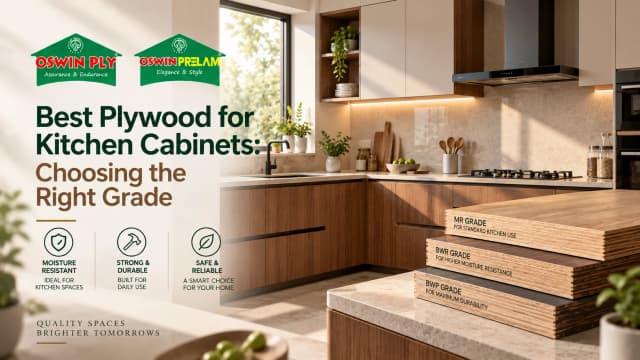
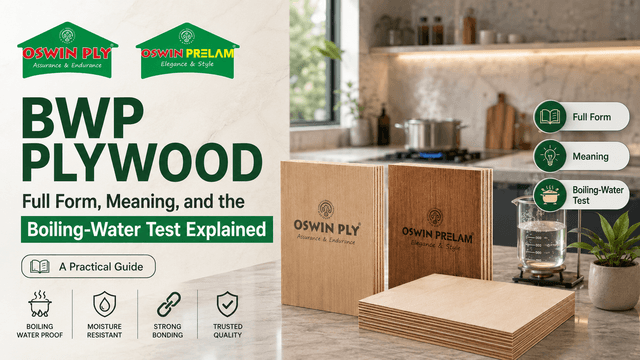
Bathroom doors carry a genuine moisture consideration alongside the design one, and this is where core selection actually matters more than finish choice. A BWP-core flush door, paired with a moisture-resistant laminate finish, holds up to the daily humidity a bathroom door faces in a way a standard interior door core simply isn’t built for. For the full explanation of what BWP grade actually means and how it’s tested, see our BWP Plywood Full Form and Meaning guide.
Design-wise, bathroom doors benefit from finishes that read as durable rather than delicate, subtle textures or slightly deeper tones tend to age better in a high-moisture environment than very light or high-gloss surfaces, which can show water marks and wear more visibly over time.
Increasingly common in modern interiors, a flush door designed to match adjacent wardrobe shuttering creates a continuous, wall-like surface rather than an obvious break between door and storage. This works best when the door core and the wardrobe shutter material are specified together from the start, rather than matched after the fact, since laminate batches and finish tones can vary enough between separate orders to be noticeable side by side.
This integrated approach is particularly effective in smaller bedrooms, where minimizing visual breaks in the wall makes the room read as larger and calmer than it would with a visually distinct door interrupting a run of wardrobe shuttering.
The hardware a flush door is paired with affects both its function and how the design reads as a whole. Concealed hinges have become the preferred choice for wardrobe-integrated and minimalist door designs specifically, since they support the seamless, uninterrupted surface that design style depends on. For bedroom and bathroom doors where the door remains visually distinct rather than integrated, standard butt hinges paired with a handle that matches the room’s other fittings, cabinet pulls, faucet finishes, keeps the design cohesive without extra cost. Door thickness also affects hinge selection, heavier solid-core doors need hinges rated for the additional weight, a detail worth confirming with your hardware supplier rather than assuming any hinge will do.
| Core type | Best for | Key benefit |
|---|---|---|
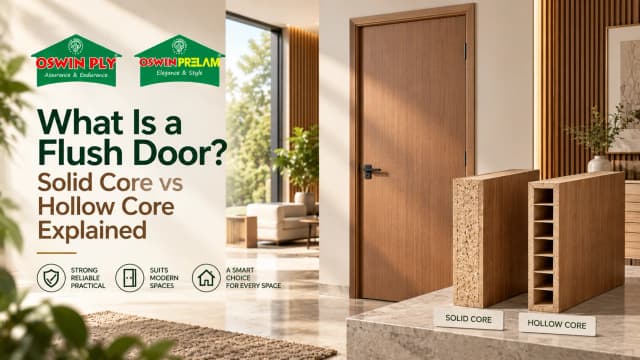
| Solid core | Bedrooms, high-traffic interior doors | Strong sound insulation, sturdy feel |
| Hollow core | Low-priority interior doors, budget projects | Lightweight, lower cost |
| BWP core | Bathrooms, any moisture-adjacent door | Withstands sustained humidity without warping |
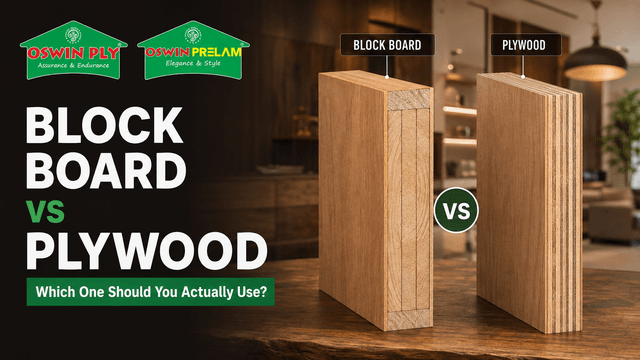
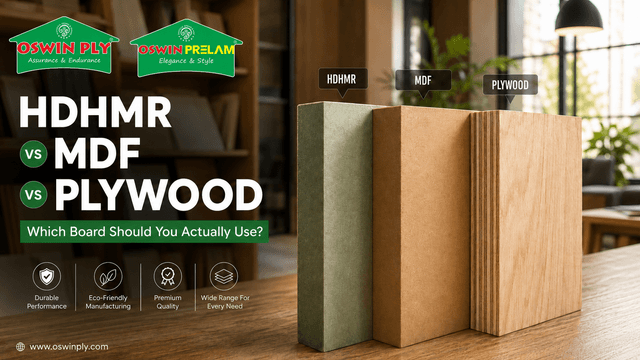
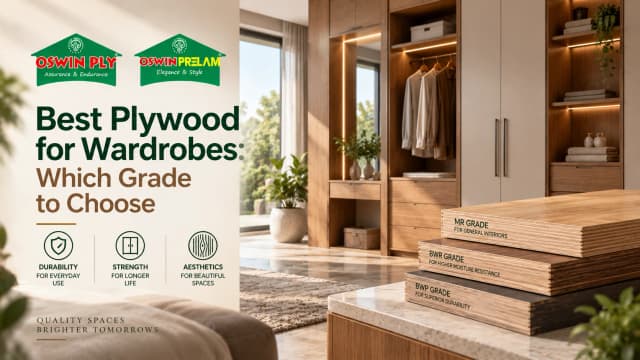
For the complete breakdown of plywood grades behind these core options, including how MR and BWP differ, see our full guide to Plywood Grades, Types and Uses.
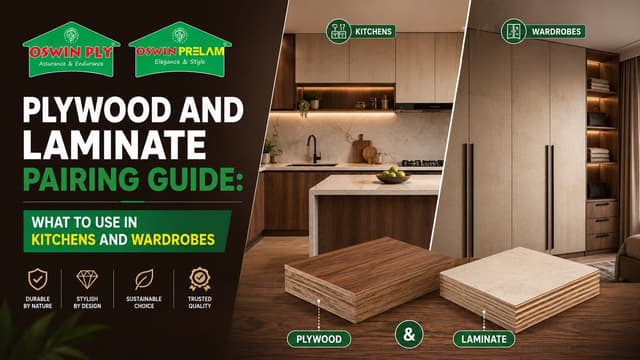
Finish selection for interior doors follows many of the same principles as laminate selection for kitchen and wardrobe surfaces, matching tone, texture, and sheen level to the room’s overall design language. Our Plywood and Laminate Pairing Guide covers this in more depth for kitchens and wardrobes specifically, and much of that same reasoning applies directly to door finish selection.
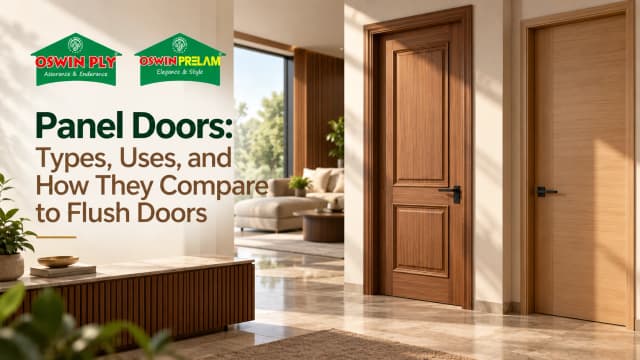
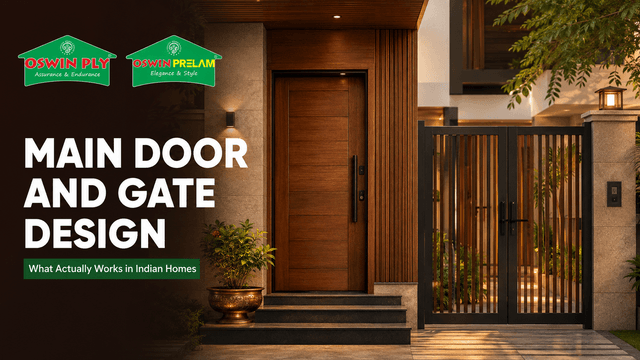
It’s worth being clear about scope here. Entrance and gate doors face a different set of priorities altogether, security, weather exposure, and first-impression design, that interior doors simply don’t share. If you’re specifying a main entrance or gate rather than an interior door, our Main Door and Gate Design guide covers that specific application in full.
BWP-core flush doors are the right choice for bathrooms, since the sustained humidity in that space will cause a standard MR-core or hollow-core door to warp or swell over time.
For a wardrobe-integrated design specifically, yes, matching the door finish to adjacent wardrobe shuttering creates a seamless look. For a standalone bedroom door, matching to the room’s overall design language matters more than matching to the wardrobe.
Solid-core doors offer meaningfully better sound insulation and a sturdier feel, making them the better choice for bedrooms despite the modest additional cost over hollow-core alternatives.
Yes, and specifying the door and wardrobe finish together, rather than ordering them separately, gives the most reliable color and texture match.
Flush door design deserves the same thought indoors as it gets at the entrance; the core material, finish, and hardware pairing all shape how a bedroom, bathroom, or wardrobe-integrated space actually functions and feels. Specify the core to match the room’s real moisture and sound demands, choose a finish that supports the interior’s overall design language, and treat the door as part of the room’s design plan from the start rather than a functional afterthought. Oswin’s range covers both flush and panel doors, so there’s room to make that choice properly rather than settling for whatever’s on hand.
Oswin Wood Panels manufactures flush and panel doors alongside ISI-certified plywood from Chennai, including BWP-core options for moisture-adjacent rooms. Our team can help match door core and finish to your bedroom, bathroom or wardrobe-integrated design.
Call 044 2669 0023 or find your nearest Oswin dealer.
Written by Mr. Balakrishna Iyer, GM – Sales (Tamil Nadu), Oswin Ply (Oswin Wood Panels Pvt. Ltd), a Chennai-based plywood and block board manufacturer. We manufacture ISI-certified BWP plywood, marine plywood, flush doors, block boards and Prelam boards, including HDHMR-core options, supplying dealers across Tamil Nadu, Karnataka, Andhra Pradesh, Telangana, Maharashtra and Goa.